Goals Over Graves: The Silenced Cry of Fair Play
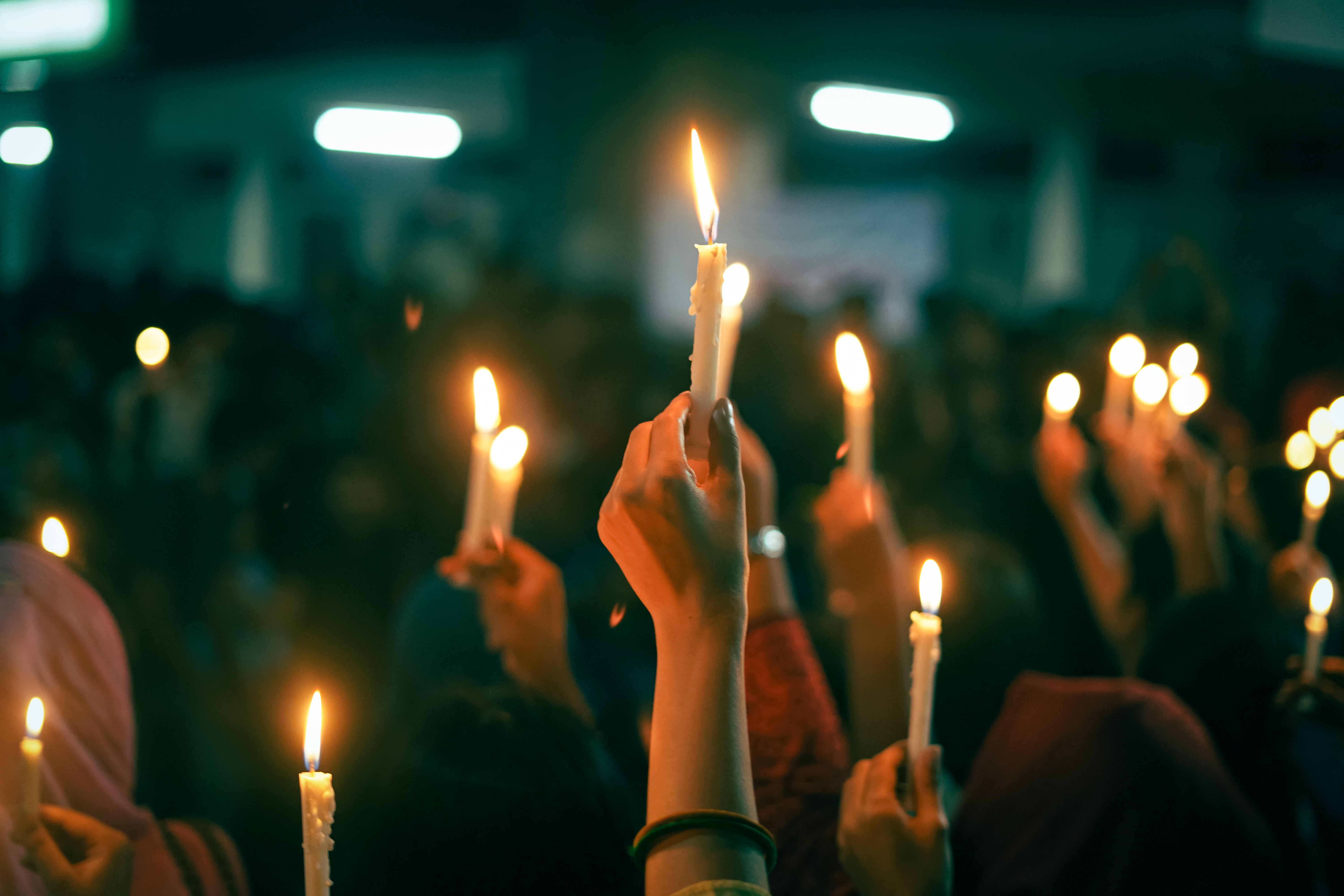

The fever of football can be felt in the air. Mexico has dressed itself in celebration, illuminating its stadiums and showcasing the warmth and hospitality that we proudly share with the world. The greatest sporting event on the planet is here. However, behind the fireworks in the VIP stands and the roar of the fans, a shadow emerges—one that no artificial light can dispel: that of a country that bleeds, of the thousands of absences that remain unnamed in official broadcasts. How can one celebrate a goal when, in the echo of the stands, the silence of the disappeared can still be heard?
To view this reality through the lens of Person-Centered Feminism is not an act of protest or boycott, but rather an ethical imperative of awareness and clarity. This perspective is not concerned with abstract quotas or superficial narratives; its foundation is the intrinsic and inviolable dignity of every human being, each one unique and irreplaceable. While the geopolitics of sport celebrates statistics and promises economic growth, this feminism directs its gaze toward concrete faces: the mother who scratches the earth with her own hands searching for a trace of her child, the sister who marches beneath the sun, the embodied pain that knows no football ceasefires.
There is a disturbing social schizophrenia on our field. On one hand, we demand uncompromising “fair play,” where the Video Assistant Referee (VAR) analyzes every millimeter of a play and the referee punishes the slightest infraction. On the other hand, we inhabit a reality where impunity is the coach of everyday life, where the rules of the social game are broken, and where the collateral victims of violence appear not to matter—as long as the ball keeps rolling.
This is not about demonizing football or the legitimate desire for joy of a people that has endured historical hardship. The game is a beautiful human catalyst. But the true “competition” cannot be limited to the playing field. A society that goes to great lengths to welcome the world into its home cannot continue sweeping its tragedies beneath the green carpet of the pitch.
Person-Centered Feminism calls us to an urgent exercise of empathy and consistency. If we are capable of being moved to tears by a last-minute goal, we should also be capable of feeling the same intensity of outrage in the face of everyday injustice. May this World Cup not become an opiate that numbs our memory, but rather a megaphone that reveals that behind this celebration lies an unresolved humanitarian debt. May the only net that breaks not be that of the opponent; may we also break the pact of indifference.
Mexico’s most important match is not played on the field—it is played every day, in the pursuit of fair play where everyone has equal opportunities and where violence is not our language. Long live Mexico! But may Mexico live better. May every citizen achieve their dreams, and may our homeland embrace, protect, and guide us.