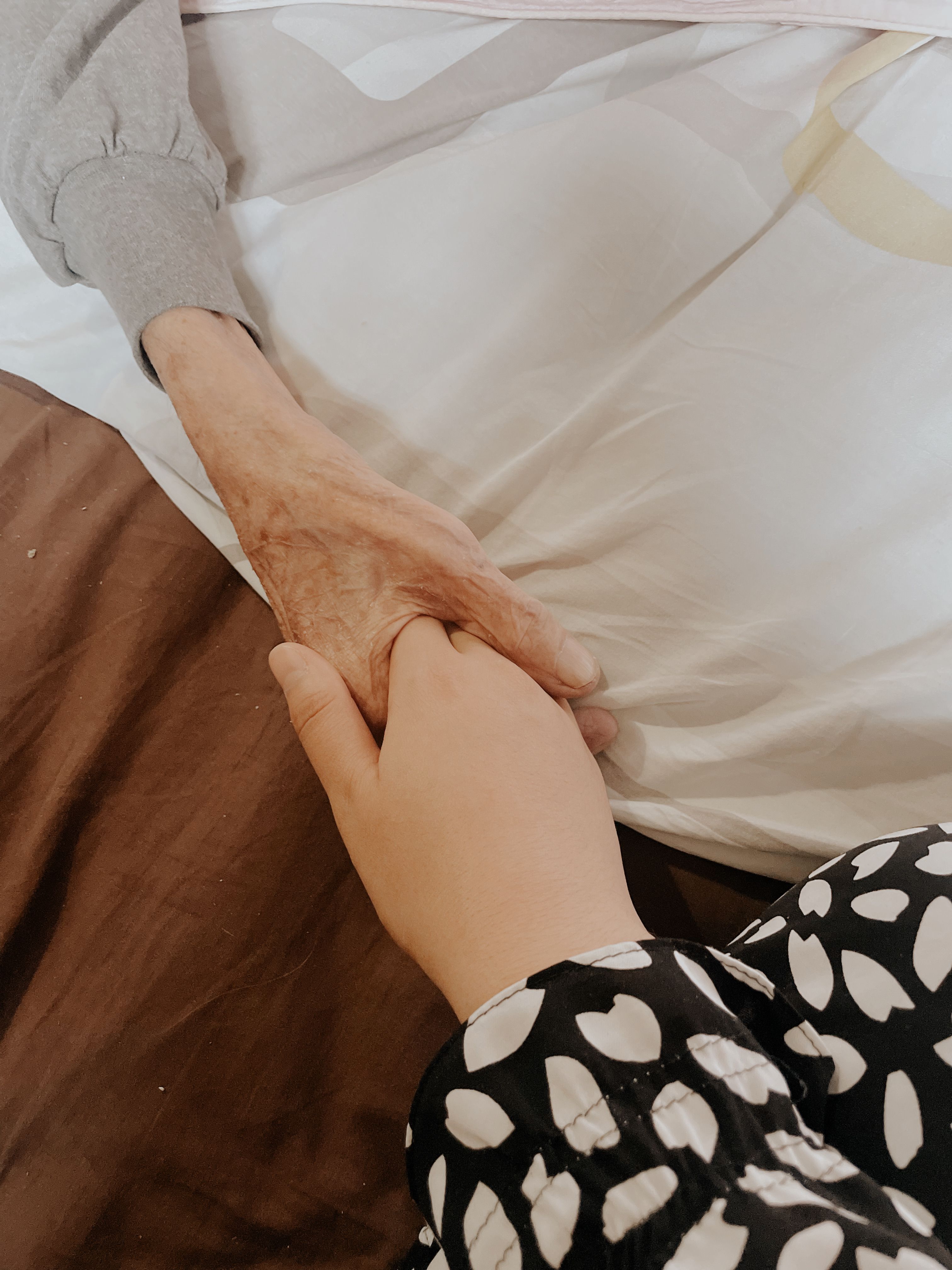
Let Boys and Girls Play as They Wish!
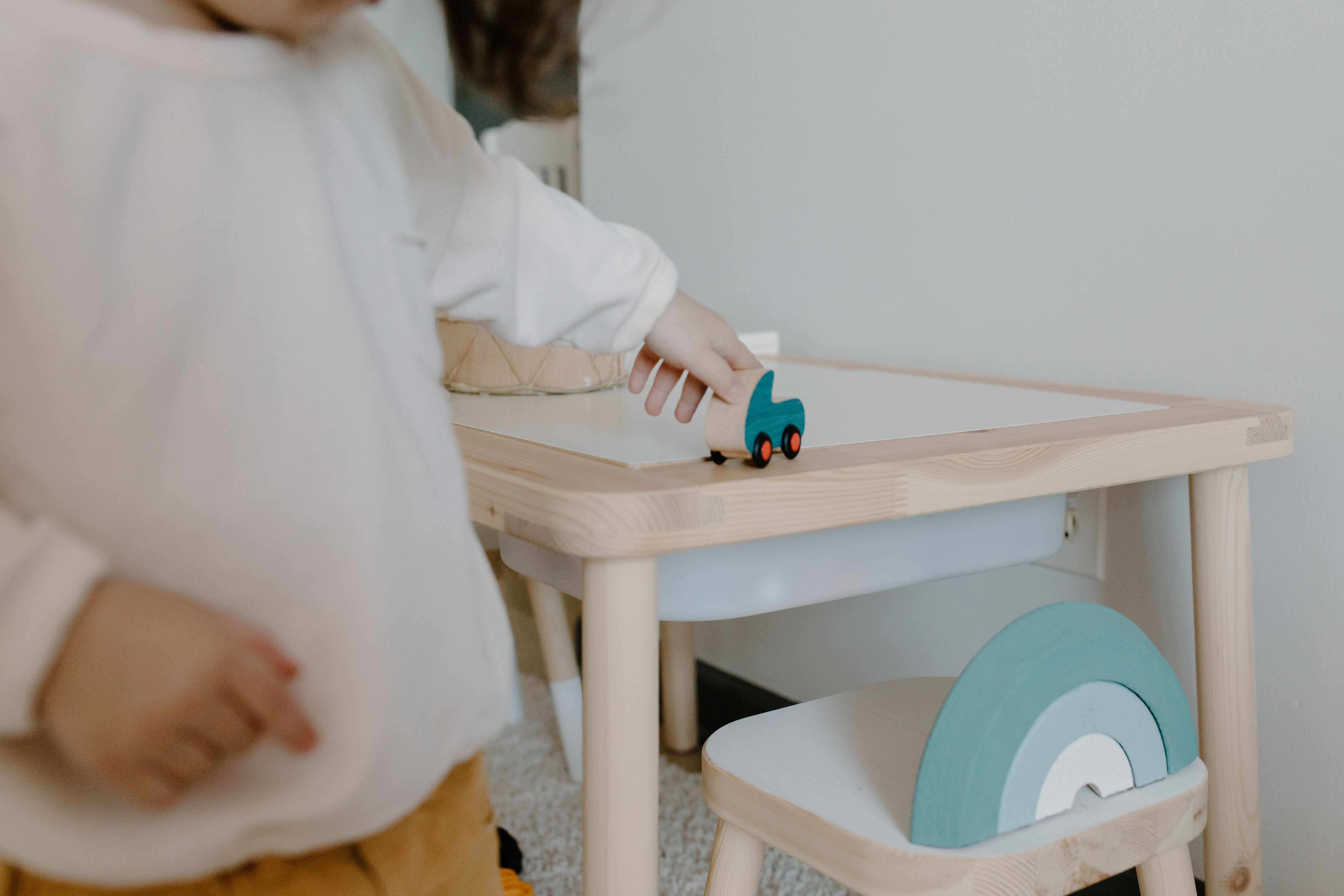

In recent days, the experience of Alan, a three-year-old boy who appears to show greater interest in toys traditionally associated with girls than in those typically intended for boys, has reignited an important public debate on gender. The discussion reached the highest levels of the pediatric community, prompting the development of a guidance document that quickly became the subject of considerable controversy among pediatricians themselves. The document was subsequently withdrawn after being criticized by some as ideologically driven and by others as excessively superficial, particularly because of its lack of references to well-established scientific evidence. By then, however, the debate had already reached Parliament, giving rise to a number of concrete parliamentary inquiries. The timely intervention of the Italian Authority for the Rights of Children and Adolescents, Marina Terragni, undoubtedly helped to lower the tone of the controversy and temper the mutual accusations. Nevertheless, the underlying question remains and deserves careful consideration because of the many issues it raises.
The first issue concerns childhood itself and the world of play, reviving the longstanding debate over so-called “boys' toys” and “girls' toys,” which are at times used as a means of assigning a specific sexual identity to a child on the basis of the toys he or she chooses at the age of three. The second concerns the anxiety that a child's choice of toys can generate in parents, to the point of prompting them to seek advice from their pediatrician, wondering whether their child is “normal” or not. Such a question is, in itself, disproportionate when considered in light of the ordinary, everyday play experiences of a young child.
The Italian Society of Pediatrics (SIP) and the Association of Pediatricians for Cultural Advancement (ACP) entitled their guidance document Beyond the Gaze: A Practical Guide to Gender Variance, Sexual Orientation, and Same-Sex Parenting for an Inclusive Pediatric Practice. It is not immediately clear what is meant by the expression beyond the gaze if one sets aside the concrete, everyday experience of reality—of what is actually observed and understood beginning with the clinical gaze itself, which serves as the starting point for dialogue and thoughtful, shared reflection. It is through observation that we grasp the reality before us; beyond that point, it becomes all too easy to drift into the realm of abstract ideological theories. Equally inconceivable is the notion of a form of pediatrics that is not welcoming and inclusive, one in which every child is recognized in his or her individuality, with distinct characteristics, health needs, and illnesses. There can be no place for discrimination, since every symptom forms part of the concrete language through which physician and young patient communicate. A pediatric practice that is not inclusive ceases to be true pediatrics. Precisely for this reason, however, it must avoid classifications that create divisions, accepting certain symptoms or behaviors while rejecting others, thereby leading children themselves to perceive that they are either “normal” or “abnormal.” Parents burdened by anxiety and pediatricians too quick to assign labels and prescribe interventions risk depriving childhood of its natural development, spontaneity, and freshness, confining it instead within stereotypes that are exceedingly difficult to dismantle.
On this occasion, the positive, proactive voice of the school system was notably absent, despite the fact that schools had also been drawn into the debate through the suggestion that an immediate recourse to so-called alias careers should be considered. Under this approach, Alan—the three-year-old whose case gave rise to this psychopedagogical debate on sexual identity—would have been expected to be called Anna, perhaps to dress as a girl, use the girls' restroom, and be included in girls' groups, including in sporting activities. Alan-Anna would thus become a case of “gender variance,” inevitably attracting the attention and curiosity of classmates and placing the child at the center of a level of scrutiny that would be far better directed toward other aspects of childhood. The controversy that emerged in recent days was so significant that the Italian National Institute of Health (Istituto Superiore di Sanità), which also houses the National Center for Gender Medicine, considered it necessary to clarify that, contrary to previous announcements, no presentation of the Guide would take place during the ACP Congress scheduled for 5 November.
What is particularly troubling in this case is that the Guide originally relied on the Standards of Care developed by WPATH, as well as on guidance from other transgender and LGBTQIA+ organizations, at a time when the U.S. Federal Trade Commission has initiated legal proceedings alleging that WPATH made false or inadequately substantiated claims regarding the treatment of minors. According to the author, the materials disclosed in the WPATH Files do not provide sufficient guarantees of scientific rigor—guarantees that a professional body such as the Italian Society of Pediatrics (SIP) cannot afford to disregard and with respect to which it has traditionally applied far more stringent standards in evaluating its sources. Furthermore, the controversy surrounding the Gender Identity Development Service (GIDS) at London's Tavistock Clinic remains fresh in public memory, following serious allegations concerning the superficial management of minors experiencing gender dysphoria. As a result of investigations and official inquiries, England's National Health Service (NHS) closed the clinic in March 2024. Let us not turn the simple joy of play at the age of three into a clinical test. Above all, let us not impose upon it an ideological or instrumental interpretation.