Magnanimous and Magnificent: Women and the Challenge of Harmonizing Their Personal, Family, and Professional Lives
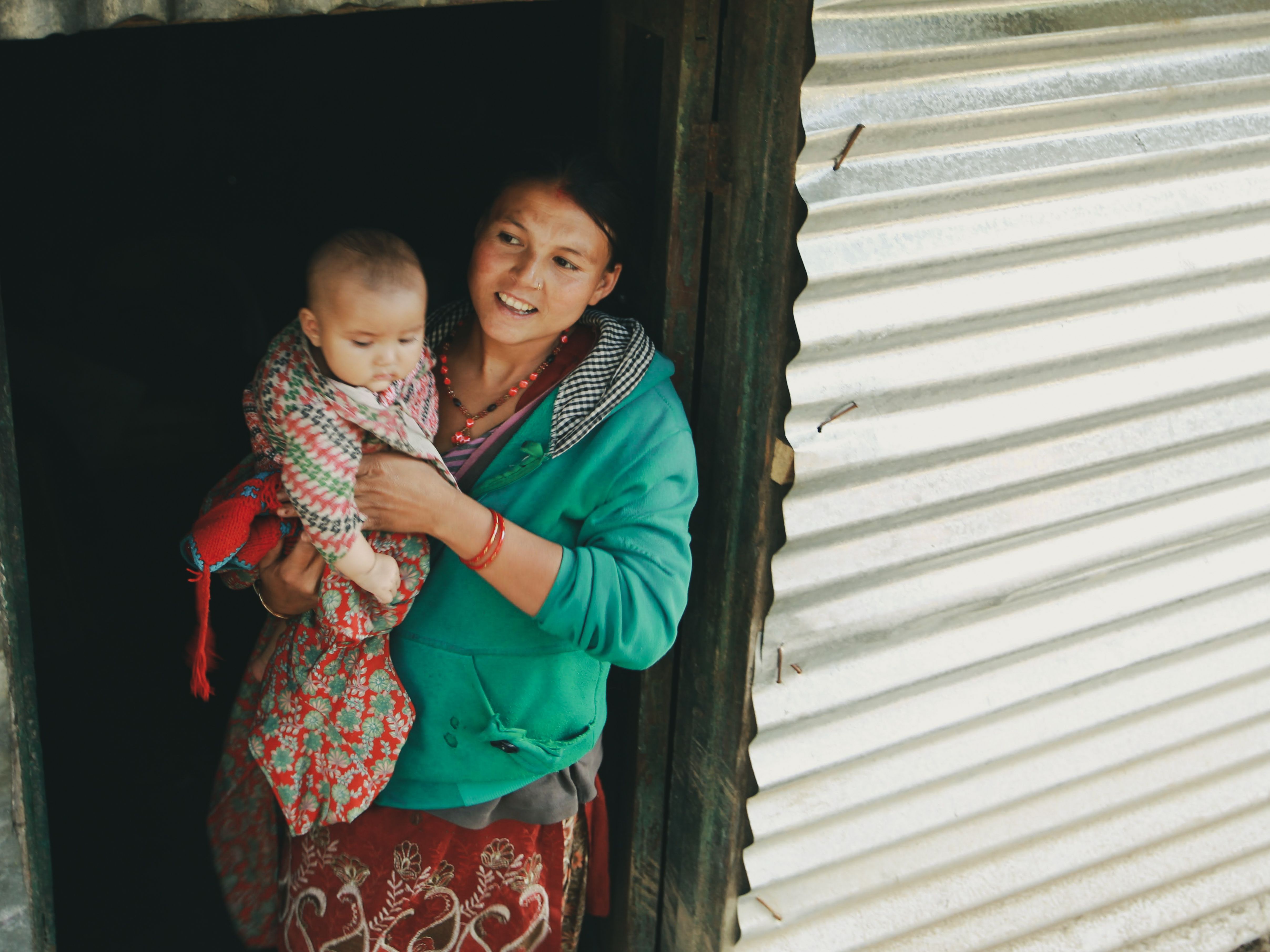

Let us reflect on the challenge women face in harmonizing the different dimensions of life. Whether motivated by financial necessity, the pursuit of professional advancement, personal fulfillment, or any of the many other reasons that lead women to work beyond their responsibilities at home, we are continually confronted with the task of reconciling our personal and family lives with the many demands that occupy both our minds and our time. Motherhood is a gift that extends far beyond biological motherhood; it belongs, in a profound sense, to every woman. As Pope Saint John Paul II describes in his Apostolic Letter Mulieris Dignitatem, woman is both a gift and a vocation, called to give herself unconditionally. To fulfill this vocation, she must draw upon all of her talents, abilities, and competencies, while relying above all on supportive networks that enable her to flourish.
The vocation of motherhood is deeply rooted in the very essence of womanhood. A woman's natural capacity to look beyond herself—her constant attentiveness, readiness, and ability to anticipate the needs of those around her—keeps her engaged in every sphere of her life and in every role she fulfills. In this sense, woman is truly magnanimous, capable of seeing beyond the immediate, of aspiring to greater horizons, and of pursuing what is necessary not only for herself but also for those entrusted to her care, often placing her own interests second. At the same time, she is magnificent: encouraging, multiplying, and maximizing both her own talents and the resources available to her, placing them generously at the service of those she loves and of all who enter her life in need of protection, attentive listening, care, and affection.
Throughout this year, I have had the opportunity to participate in several forums dedicated to women, where I have spoken about harmony, work, and family. These experiences have reaffirmed my conviction that this challenge is far from simple. Contemporary society places women in the midst of multiple and often competing roles. I would even venture to say that, on many occasions, we take on unnecessary commitments without fully recognizing the particular stage of life or phase of the life cycle we are experiencing. As a result, we end up exhausted, unwell, and burdened by guilt for failing to meet the countless demands placed upon us, even though the course of life waits for no one and each stage brings its own unique priorities that inevitably shape the harmony of daily living.
For this reason, I would like to advocate replacing the word balance with the word harmony. The notion of balance often suggests division, tension, and overload, creating the expectation that everything must remain perfectly aligned and leading us to feelings of guilt whenever we fall short in any of our many roles. Harmony, by contrast, invites us to integrate the different dimensions of our lives by embracing the cooperation and support of others in order to achieve our goals. It means drawing upon networks of support that help women navigate the many responsibilities of daily life—for example, caring for children while we are at work; coordinating with other parents to transport children to and from school; organizing meals for extracurricular activities; receiving assistance in caring for an ill family member at home or in the hospital; relying on help during times of physical difficulty; or simply finding someone willing to listen sincerely when we need to share a burden or a sorrow. Countless responsibilities can be lightened through relationships of mutual support. It is through these bonds that we are able to cultivate harmony between our professional responsibilities and the care of our families.
Let us consider this: harmony enables every instrument in a great orchestra to fulfill its unique role, together producing a magnificent symphony. In much the same way, we achieve harmony in our own lives through the people who form our support network. In her book Vitamin People, Dr. Marian Rojas Estapé continually reminds us that it is through healthy friendships and meaningful relationships that we are able to resolve many of the challenges that concern us in everyday life and to face more effectively the circumstances we encounter each day.
Today, perhaps more than ever before, we have embraced an ideal of perfection promoted by society. The stereotypes perpetuated by the media and advertising too often disrupt our inner harmony, undermining our emotional, physical, and even mental well-being, as we struggle to keep pace with an increasingly fast-moving and materialistic world. In his book The Burnout Society, the philosopher Byung-Chul Han describes this phenomenon as an “excess of positivity,” a relentless form of self-imposed pressure. It often seems that women have embarked upon a race to accomplish everything, when, in reality, such a goal is unattainable. Lucía Martínez Alcalde, of the University of Navarra, explores this very idea in her essay The Art of Not Doing Everything, reflecting on the possibility of embracing ambitious dreams while accepting life's inevitable disorder, without succumbing to exhaustion or frustration. Her proposal is both compelling and liberating: we should forgive ourselves for what simply cannot be accomplished. At the same time, we must recognize that we will never experience the fullness of a well-lived life if we fail to draw upon the support of others in fulfilling our professional responsibilities, caring for ourselves, and nurturing our families.
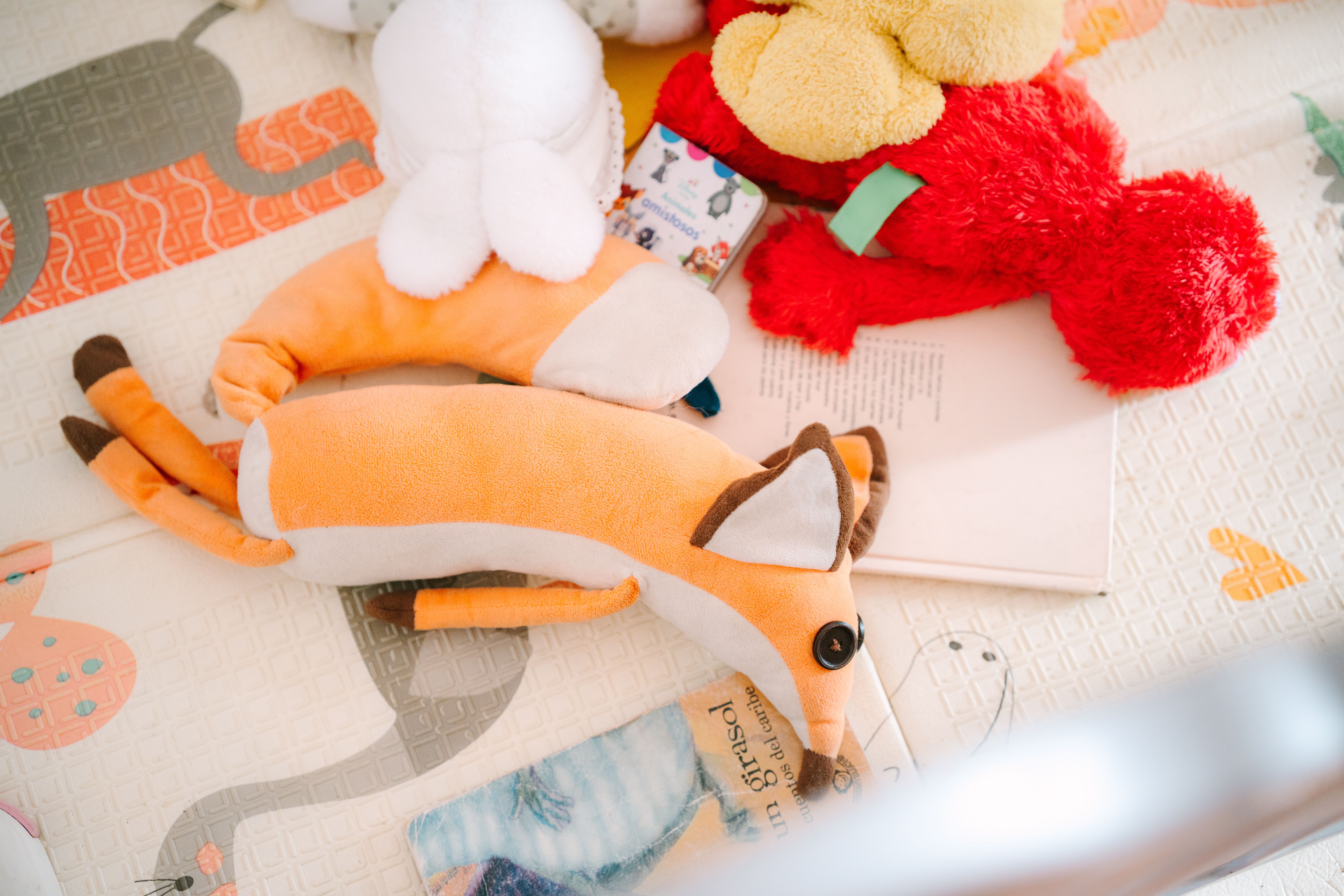
One of the greatest gifts bestowed upon us as human beings is the freedom to choose the greater of two goods. Another extraordinary gift is friendship—that is, the relationships we build with one another. In The Little Prince, Antoine de Saint-Exupéry recounts the dialogue between the Fox and the Little Prince, writing:
“‘I cannot play with you,’ said the Fox. ‘I am not tamed.’
‘Oh, I beg your pardon,’ said the Little Prince.
But after a moment’s reflection, he added:
‘What does “to tame” mean?’
‘You are not from around here,’ said the Fox. ‘What is it you are looking for?’
‘I am looking for people,’ said the Little Prince. ‘What does “to tame” mean?’
‘People,’ said the Fox, ‘have guns, and they hunt. It is very inconvenient. They also raise chickens. That is their only interest. Are you looking for chickens?’
‘No,’ said the Little Prince. ‘I am looking for friends. What does “to tame” mean?’
‘It is something that has been too often forgotten,’ said the Fox. ‘It means to create ties.’
‘To create ties?’
‘Exactly,’ said the Fox. ‘To me, you are still nothing more than a little boy like a hundred thousand other little boys, and I have no need of you. And you, in turn, have no need of me. I am nothing more to you than a fox like a hundred thousand other foxes. But if you tame me, then we shall need one another. You will be unique in all the world to me, and I shall be unique in all the world to you.’”
This passage invites us to reflect on the profound importance of human relationships. We are able to fulfill the many roles of our lives as women more fully when our focus extends beyond simply earning a livelihood—beyond merely “hunting chickens,” as the Fox describes—and instead centers on creating meaningful bonds that remind us of our mutual dependence. Through sincere friendships, we become capable of being truly magnanimous, recognizing the needs of others and serving them so that they, too, may fulfill their own responsibilities. At the same time, we become magnificent by multiplying the resources, gifts, and opportunities entrusted to us, placing them at the service of one another.
As we conclude this reflection, we recognize the valuable contributions of theology, philosophy, psychiatry, anthropology, and literature, whose insights have helped us weave together knowledge and lived experience in the pursuit of a life marked by harmony—one that transcends conventional notions of success or the constant search for balance. Women are called to cultivate ever stronger relationships and support networks that enable us to manage our time more wisely, lessen the pressures we face, and carry out our many responsibilities with greater effectiveness and purpose.
Indeed, it is possible to accomplish everything—but not all at the same time. If we are supported by networks of magnanimous and magnificent women, then almost anything, and perhaps everything, becomes possible.